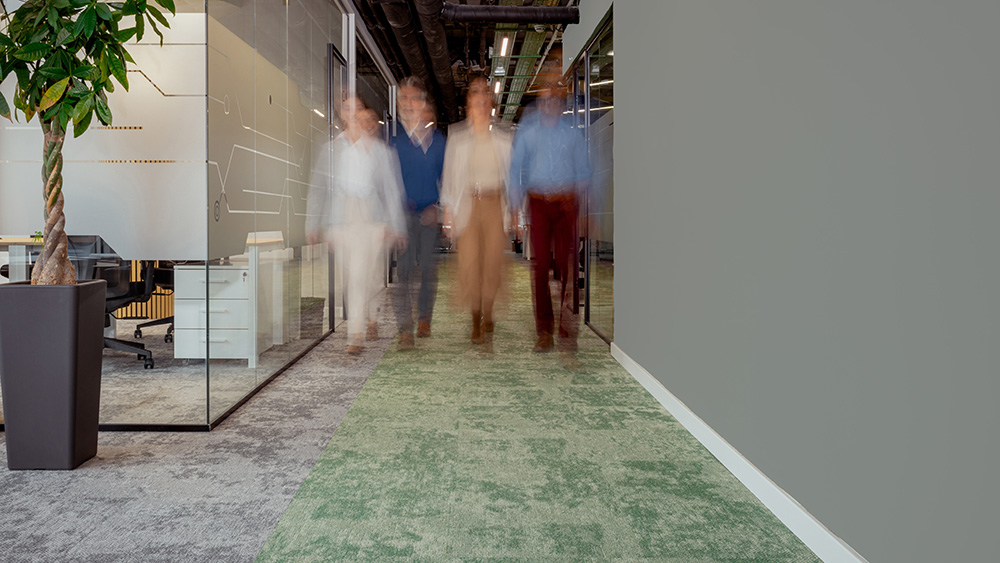
A busy workplace can receive a surprising amount of foot traffic throughout the day, and depending on the layout, much of it can occur within specific areas where the traffic is heaviest. Ongoing wear of flooring in these zones can lead to damage including dulling, scratching, staining, and deterioration of protective finishes to the point of the floors needing to be resurfaced or replaced.
Your floors are one of the first details people notice when they enter your facility. Clean, well-maintained flooring signals professionalism, supports a healthier and more welcoming environment, and helps protect your investment by extending the life of the materials underfoot.
To keep your business looking polished while avoiding the expense of premature replacement, use these practical care and maintenance tips for commercial flooring in high-traffic areas.
Regular Cleaning
Regularly scheduled professional floor cleaning, at least once a day, is crucial for ensuring the longevity of your flooring materials. High-traffic areas such as entrances and lobbies may need to be cleaned every few hours, especially during periods of inclement weather. In addition to regular cleaning, a professional monthly care and maintenance program should be considered.
If your facility is in an area where roads and sidewalks are regularly treated with salt or other ice-and snow-melting products during winter, these materials will inevitably be tracked indoors. They can contain harsh chemicals and abrasive substances, such as sand and silica crystals, which can quickly and permanently damage floors if not removed through proper and frequent cleaning.
Different types of floor surfaces need to be cleaned in different ways and using different cleaning products. Hard-surface floors such as hardwood, tile, terrazzo, and vinyl should be swept often throughout the day to remove dirt and debris and may also require damp mopping daily.
High-traffic carpeted areas need to be vacuumed at least once per day to effectively remove set-in dust, dirt, grit, and dander. Carpet fibres tend to accumulate more dirt and debris than on hard-surface floors, so it’s important to ensure the type of carpet in your facility is suitable to withstand prolonged use in heavy-traffic areas.
Use Floor Mats and Rugs
Placing mats strategically in high-traffic zones throughout your building can help prevent floor damage by:
- Allowing staff and visitors to wipe their boots and shoes at entrances and lobbies prior to entering other areas of the building.
- Trapping large amounts of dirt, grime, and moisture in high-traffic locations to prevent it being tracked into other areas.
- Protecting hard surface floors against scuffing, staining, and scratching from dirt, grit, sand, salt, ice-melt products, and other elements.
When placing mats, make sure that they are secure and lie flat. A loose or bent mat can be a tripping hazard. If you don’t already have mats near your entrances and other high-traffic areas, look for types that can be securely fastened to the floor to prevent bunching and trip-and-fall accidents. Mats need to be cleaned or changed on a regular basis, at least once a month, or weekly, depending on the amount of traffic.
Deep Cleaning
While regular cleaning helps to maintain your flooring on a day-to-day basis, as a rule, all types of commercial flooring should be deep cleaned once or twice per year to remove set-in dirt, help improve its cleanliness and appearance, and help extend its lifespan. Areas that receive higher levels of foot traffic need deep cleaning more frequently. Some guidelines for how often are as follows.
Moderately high-traffic areas
Common spaces with normal levels of foot traffic should be deep cleaned every few months to remove grime and bacteria buildup and make them look their best. These areas can include meeting rooms, lobbies and reception areas.
High-traffic areas
High-traffic spaces that are prone to increased levels of grime, and that can get overlooked in regular daily maintenance routines, need to be deep cleaned as often as once per month to maintain long-lasting results. These areas can include entranceways, busy hallways, office kitchens, and bathrooms.
Carpeted areas
Carpeted areas should be deep cleaned once or twice a year at minimum to help remove staining and prevent the buildup of embedded grime and bacteria in the fibres. Monthly interim cleaning will help greatly in extending the longevity of your carpet.
With over 70 years of experience in the industry, the professionals at ServiceMaster Clean are commercial floor cleaning experts. Our services include comprehensive commercial floor cleaning and maintenance programs that offer a range of services tailored to care for specific flooring materials, including the application of protective finishes to restore shine and guard against future damage, especially in high-traffic areas.
Contact us today to learn how we can create a floor care and cleaning program to suit your facility and budget.